



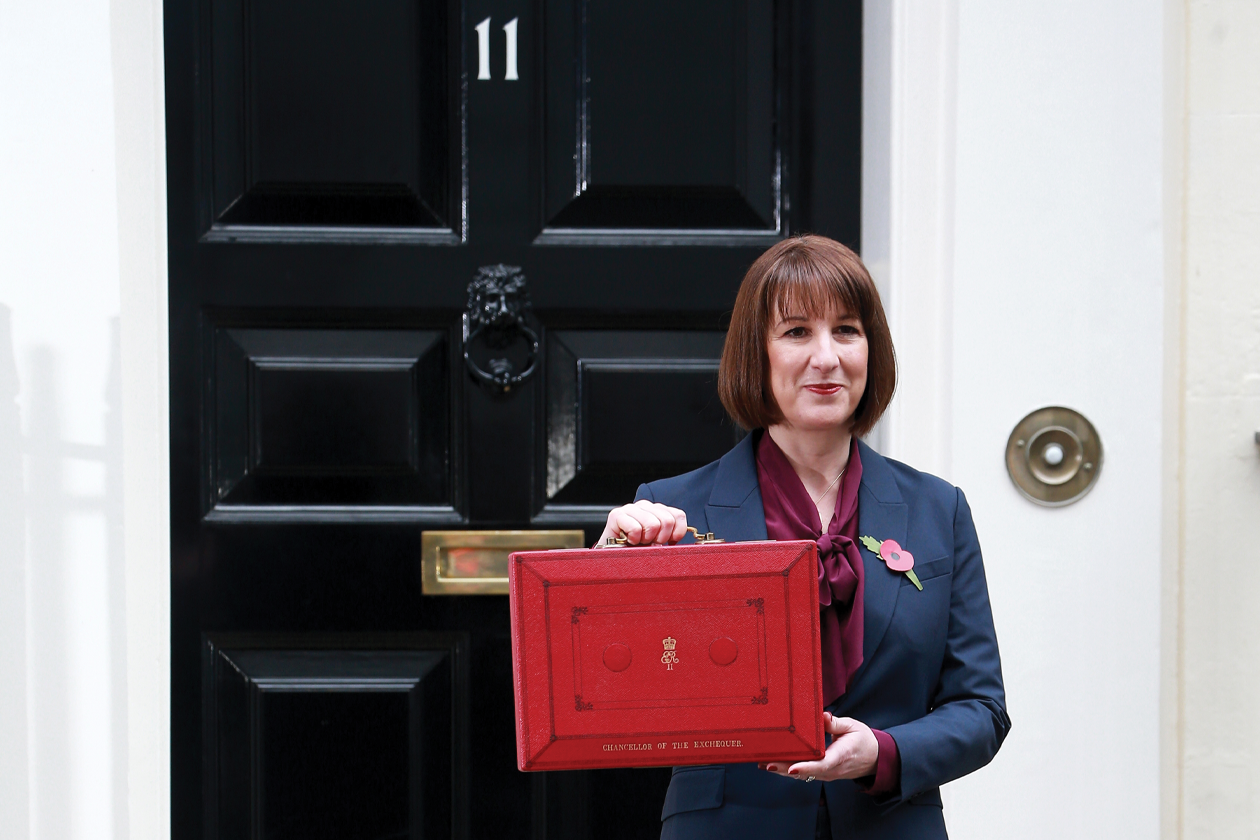
If last year’s Autumn Budget build‑up felt more like a trip to the dentist than a delightful afternoon at the Bingo club, this year brings an all-too-familiar mix of tight public finances and hard choices. The Government has signalled that growth is the long‑term answer but, in the short term, the Exchequer still needs revenue. For Bingo, a sector that is a major community anchor across Great Britain, the question is fundamental: how does the macro picture affect both customers and operators?
Where the UK economy stands today
The EY ITEM Club Summer Forecast painted a picture of an economy that is surviving but not exactly thriving. After a surprisingly strong start to the year, things have cooled off. UK GDP growth for 2025 is pegged at about 1%, thanks in large part to a busy first quarter when businesses rushed to beat new tariffs and policy changes. Since then, the pace has slowed, and the outlook for 2026 is not projected to be much better at 0.9% growth, before things (hopefully) pick up to around 1.5% from 2027.
The slowdown is due to a mix of factors: exports to the US have taken a hit thanks to tariffs and manufacturing remains fragile. Inflation is also proving stubborn and is forecast to hover around 3% for the rest of the year, only easing back to the Bank of England’s 2% target in late 2026. That means interest rates are expected to come down slowly, ending 2025 at about 3.75%. While this is positive for borrowers, a rapid decline in borrowing costs is unlikely.
The jobs market is softening too. Hiring has slowed, especially in hospitality and retail, where rises in National Insurance contributions and the National Minimum Wage are biting. Unemployment is likely to creep up to 5% by year end, although this remains low by historic measures.
On the bright side, household finances look healthier. People are saving more than they did in the 2010s, and real incomes have improved following the inflation shock of recent years. That should keep spending ticking over, even if confidence remains shaky.
The Chancellor’s next balancing act
Undoubtedly, the Chancellor has a very difficult task ahead. Public debt is high, interest costs are elevated, and UK growth has been underwhelming in recent years. The Government’s objective is for utilise growth to make taxes rise faster than spending in order to keep borrowing in check, but even that might not be enough to hit the “borrow only to invest” rule that we referred to in our previous update. What does that mean? More tax hikes could be on the cards in November.
The EY ITEM Club estimated back in the summer that the Government could need to raise an additional £20-£30 billion in revenue simply to keep the same “headroom” above the minimum needed to stay within its fiscal rules. The precise scale of the shortfall is yet to be seen and could be larger if, as expected, economic growth disappoints and the Office for Budget Responsibility (OBR) revises its forecasts downward at the Budget.
The challenge is deciding where to raise revenue without impeding the fragile recovery. Hit consumers too hard and you risk dampening spending; squeeze businesses and you might stall investment just when confidence needs a boost. And with trade uncertainty still swirling, predicting the economy’s performance is harder than ever.
The Chancellor also has to protect investment in infrastructure and productivity. Cutting too deep, too soon, may lock in slow growth, which would make fixing the public finances even more challenging. It is a delicate dance: keep markets calm, support growth, and stick to the rules, all while inflation refuses to play ball.
What the macro situation means for Bingo?
With pay packets stretching a little further, people will still be looking for affordable, sociable nights out, and Bingo fits that bill perfectly. But with hiring slowing and confidence
in the wider economy still fragile, players are likely to keep a close eye on what they spend. Those on fixed incomes will be especially sensitive to the all-in cost of a visit, including travel.
On the operations side, general costs are easing back from their peak, but not as quickly as many would hope. Prices for energy and supplies remain high, and the increases in the National Minimum Wage and National Insurance contributions hit labour-intensive sectors like Bingo hard, wiping out around a quarter of profits across
the industry.
As with last year, the key risk for Bingo is being caught in the crossfire of wider tax increases, not because the sector is a target per se, but because broad-based rises can squeeze both sides at once: patrons’ disposable income and Bingo clubs’ day-to-day costs. Any further cost pressures, whether from inflation or tax changes, will be keenly felt.
The good news? Demand for Bingo has proved resilient, supported by its role as an affordable, community‑centred night out. Bingo’s enduring appeal lies in its ability to bring people together, offering a sense of community and continuity even as economic conditions fluctuate.
Conclusion
This year’s Budget build‑up feels like another careful game of numbers with the Chancellor trying to keep the books balanced. For the Bingo sector, the outlook is steady but cautious: the economy is moving, but slowly; costs are easing, but not fast; and tax decisions made this autumn will help define the environment for Bingo well into 2026.
Chris Sanger is Tax Policy Leader, and Patricia Gomez Robles is Senior Manager Tax Policy at EY. The EY tax policy network has advisers in more than 85 countries and advises clients on how to effect policy change directly and through strategically engaging policy makers. www.ey.com