



Most of us know how a game of bingo starts today: numbers on a ticket, a caller at the mic, eyes down. But how many of us know where it all really began? Or how the game has changed, adapted, and survived social change, legislation, competition, and even a global pandemic? As bingo continues to innovate and attract new generations, we take a look back at the story of the game we all love, and some of the key moments that helped shape it.
1530 – Italian beginnings
Bingo’s roots go all the way back to Lo Giuoco del Lotto d’Italia, the Italian national lottery first played in 1530. A simple draw-and-match format, it laid the foundations for the numbered game that would spread across Europe.
18th-19th Century – A game with many uses
In France, a similar game called Le Lotto became popular with the aristocracy, while in Germany, a version was used in classrooms to teach numbers, spelling and history. Though the format varied, the principle remained: numbered tiles were drawn at random from a tombola, and those with matching cards marked them off.
1929 – ‘Bingo’ is born by accident
 The game we know today as bingo owes its name to a New York toy salesman, Edwin S Lowe. While visiting a fair in Georgia, he watched a game called ‘Beano’, played with beans to mark off numbers. At home, Lowe recreated the game for friends… until one of them got so excited they accidentally shouted “bingo!”. And the rest is history.
The new game had over 6,000 number combinations, and by the late 1930s there were thousands of Bingo games being sold and played all over America every week.
1930s-1950s – Bingo in Britain
 In the UK, a game called Housey-Housey was already in use, particularly during the Second World War as a distraction for both the armed forces and civilians alike.
After World War II, it took hold in social clubs and holiday camps, providing affordable entertainment and a strong sense of community.
1960s-1970s – Bingo clubs and converted cinemas
The Betting and Gaming Act came into force in 1961 to legitimise Bookmaking, and it was a massive turning point.
There was, however, a loophole which allowed ‘gaming for games of skill’ to be played. The Chairman of Mecca spotted this loophole, and following a study of bingo in New York, Mecca opened their first bingo operation at the Carlton Rooms in Maida Vale in early 1961.
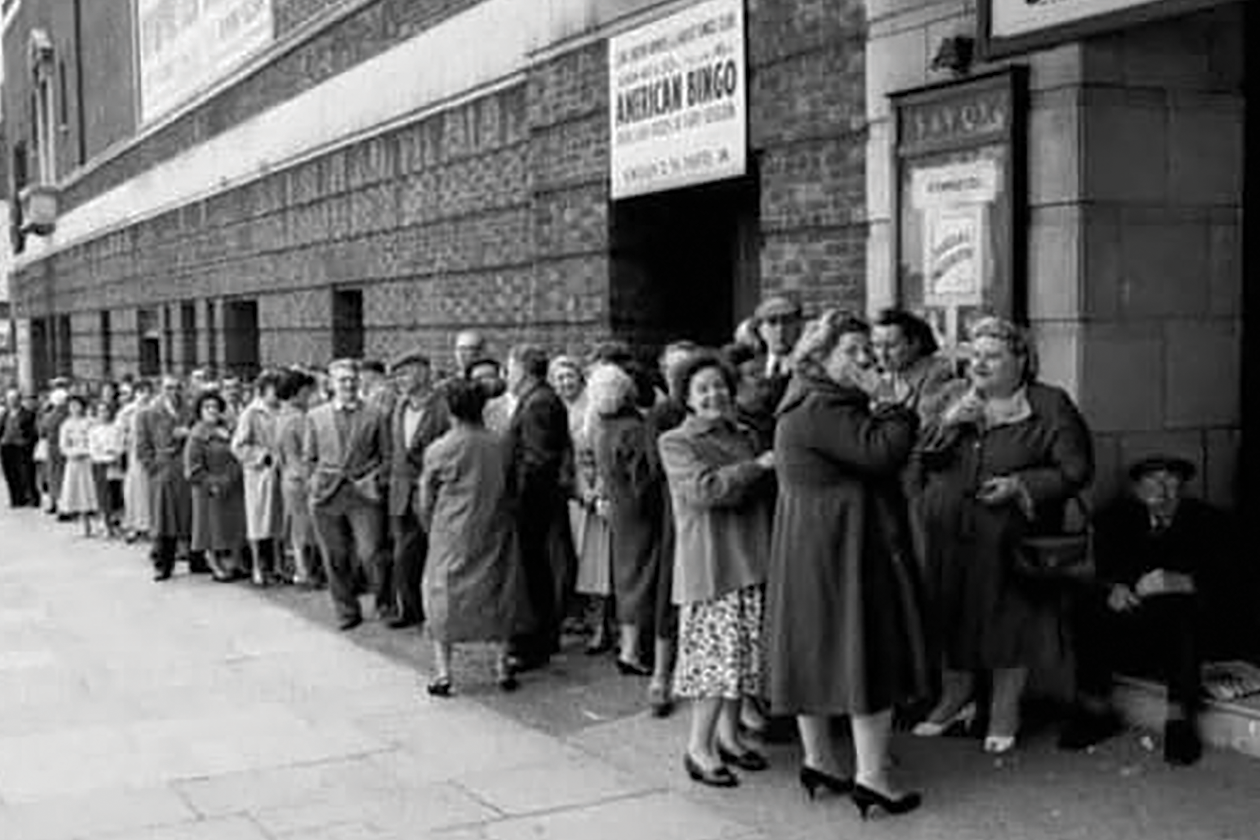
The 1968 Gaming Act was introduced to tighten up some of the loopholes in the 1960 Act, but it all paved the way for dedicated clubs to spring up across the country. With television reducing cinema audiences, many old cinemas and picture houses were converted into bingo halls, their tiered-seating layouts and stage areas proving a perfect fit.
In fact, to this day, many clubs still operate from these distinctive and often historic buildings.
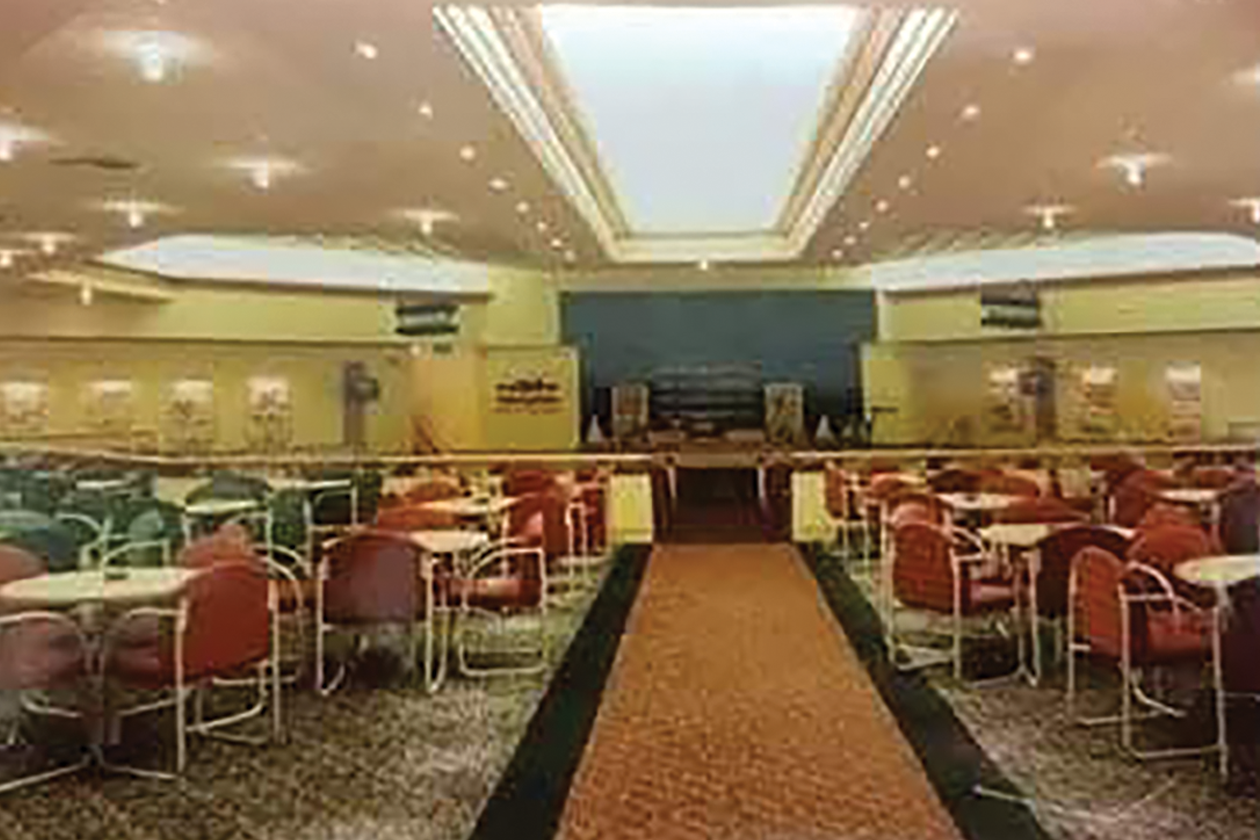
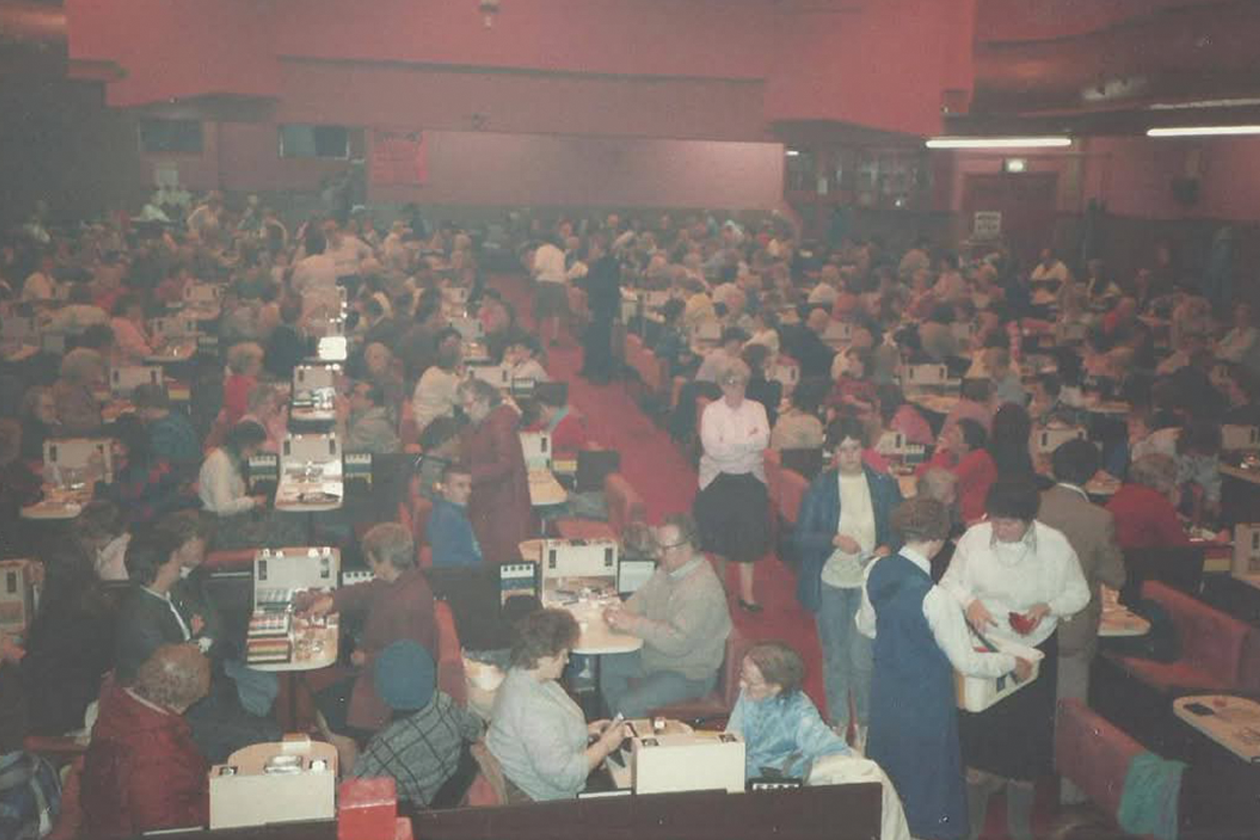
By the end of the 1960s, millions were playing regularly. Bingo was social, exciting, and accessible… a low-cost night out with the chance of a cash win. It quickly became a staple of the leisure landscape, and was becoming as much a British institution as fish and chips or a nice cup of tea!
1980s-1990s – Tech arrives and competition grows
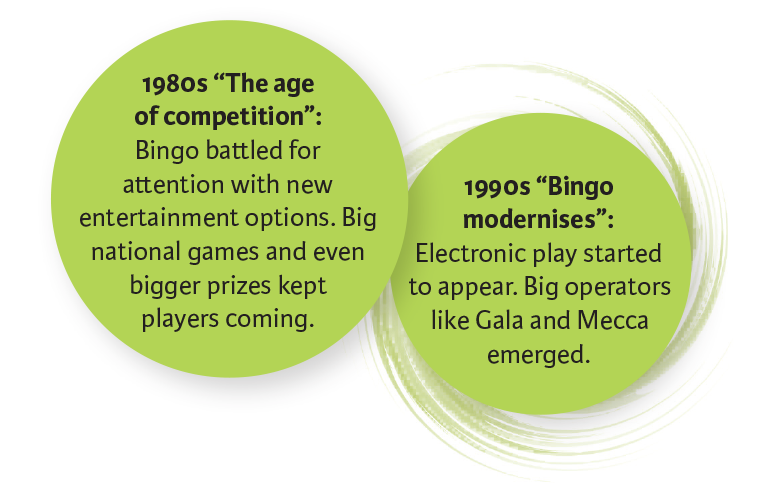
Electronic bingo terminals started to appear, alongside larger prize pots and new formats, including the National Bingo Game in 1986. But the 1994 launch of the National Lottery gave players a new outlet, and bingo faced increasing competition.
Clubs began to see a drop in attendance. However, in 1987 the first purpose-built ‘standalone detached’ bingo hall opened – The Granada Bingo club in Derby.
2000s – Rollovers and big prizes!
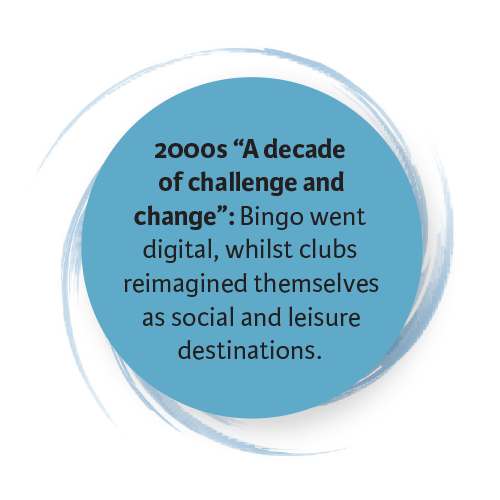 In 2007, bingo operators were allowed to introduce rollover jackpots for the first time, and the National Bingo game introduced the ‘Big N’ which allowed players to play for jackpots that could exceed £1million.
And in January 2008, at Castle Bingo in Merthyr Tydfil, 53-year old Christine Bradfield won the first ever Platinum Jackpot, scooping a massive £1,101,686!
2006-2007 – The Smoking Ban
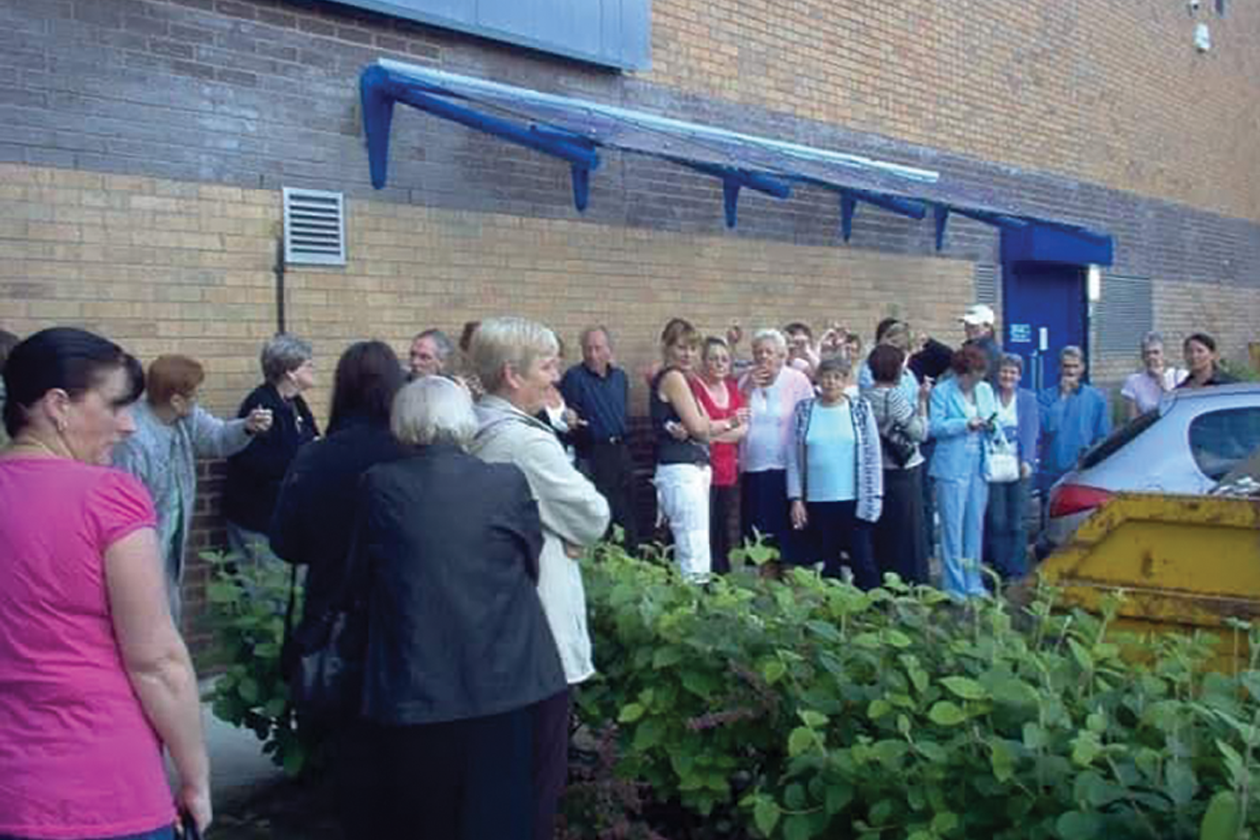
One of the most significant events for the industry came with the introduction of the UK’s smoking ban in public places. It first happened in Scotland in March 2006, and was followed by the rest of the UK in July 2007. For many regulars, smoking and bingo had gone literally hand-in-hand. Clubs were hit extremely hard, with some never recovering from the loss of customers.
2010s – Reinvention and resilience
 In response, the sector fought back and began to innovate. Themed bingo nights, new venues, and a stronger focus on customer experience helped bingo reconnect with its customers.
Meanwhile, online bingo emerged, but traditional clubs doubled down on what made them special: community, atmosphere, and real social connection.
In 2018, the National Bingo Game was re-formatted, and the first ever £50,000 jackpot was won at Mecca Bingo Aberdeen. Even today, the £50,000 national jackpot is still played for twice a day.
2020s – A new era of bingo
In the wake of COVID-19, clubs reopened with a renewed focus. Operators are now modernising the bingo offer with flexible session formats, digital tech and vibrant lounge-style environments.
Large sums of money are being invested in bright, refreshed and modernised clubs, and the industry has embraced hybrid play (clubs and online joining together), live-streamed bingo sessions, and state-of-the-art tech… but the heart of the game remains the same.
Bingo is still about people, connection, and a shared moment of joy when that final number for the win is called.
And how ever things change in the future, that part never will!